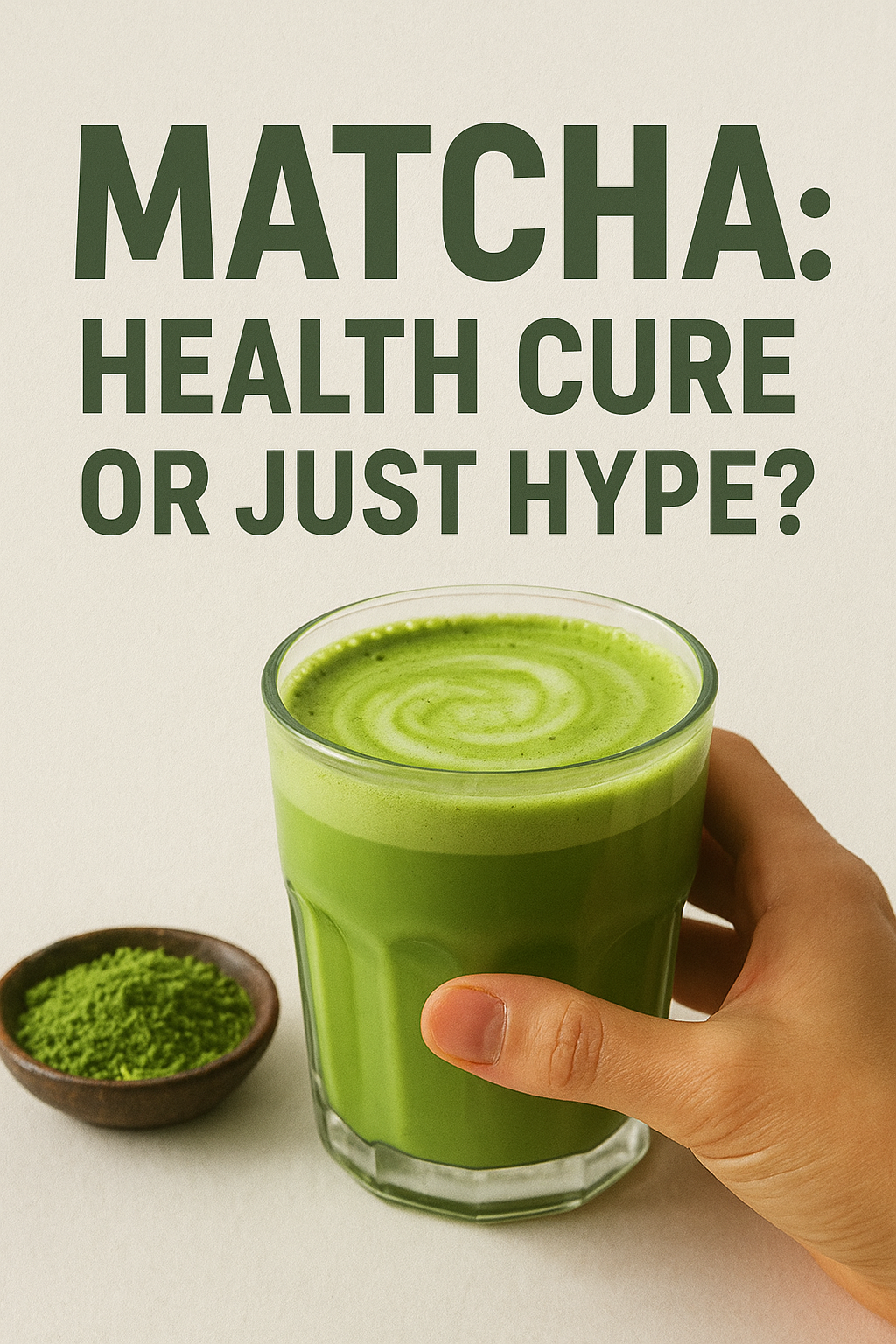
First came matcha tea, then the latte, and now it’s showing up in chocolates, cakes, ice cream—even bread. But what makes this bright green powder so special? Let’s take a closer look.
Matcha originates from Japan and is made by finely grinding shade-grown green tea leaves. This special growing method gives matcha its vivid color and signature umami flavor. In short, it’s a traditional Japanese stone-ground green tea powder with a history as rich as its taste.
Matcha fans swear by its benefits. Loaded with antioxidants, it’s often linked to supporting heart health, boosting metabolism, and even giving the skin a healthy glow. Unlike coffee, its caffeine comes with L-theanine, an amino acid that promotes calm focus and steady energy without the jitters or crash. From sharper concentration to overall wellness, it’s no wonder matcha has become the go-to “green boost” for so many people.
Still, there’s a limit to everything. Drinking too much matcha can lead to health concerns such as jitters, sleep problems, or an upset stomach. Experts recommend keeping it to one or two cups a day—enough to enjoy the benefits without the side effects.
Whether you sip it for health, focus, or just the aesthetic, matcha proves one thing—it’s more than a passing trend, but only when enjoyed in balance.